Tree Lopping and Removal in Hillingdon: Safe, Smart, and Professional Care for Local Properties
If you are looking for tree lopping and removal in Hillingdon, you are probably dealing with overgrown branches, a leaning trunk, storm damage, or a tree that no longer fits safely within your garden or property line. In a busy borough like Hillingdon, trees add value, privacy, and character, but they also need regular attention to stay healthy and safe. Whether you own a family home, manage a commercial site, or care for communal grounds, tree lopping in Hillingdon is often the difference between a tidy, secure landscape and a costly problem.
Many people use the phrase tree lopping when they mean pruning, crown reduction, or branch removal. While the terminology varies, the goal is usually the same: control tree growth, reduce risk, improve appearance, and protect nearby buildings, power lines, and footpaths. In some cases, full tree removal in Hillingdon becomes the safest option, especially if a tree is diseased, structurally unstable, or causing damage to foundations and drains.
Because every site is different, choosing the right approach matters. A skilled arborist can assess the tree, recommend the most suitable treatment, and carry out the work safely and efficiently. If you want your outdoor space to remain attractive, usable, and compliant with local requirements, understanding the options for tree lopping and removal in Hillingdon is a sensible place to start.
Why Tree Lopping and Removal in Hillingdon Matters
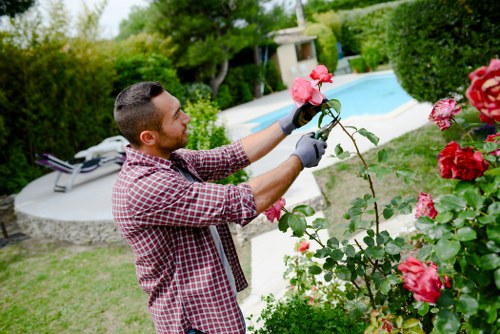
Hillingdon is home to a wide mix of residential streets, parks, commercial estates, and older properties with mature trees. That variety brings beauty, shade, and biodiversity, but it also creates a need for proper maintenance. Tree lopping and removal in Hillingdon helps property owners manage growth before it becomes a hazard or an eyesore.
Over time, trees can spread into roofs, fences, garages, and neighbouring gardens. Large limbs may become heavy and unstable, especially after periods of strong wind, heavy rain, or drought. When a tree becomes too large for its location, regular pruning may not be enough. In such cases, professional tree removal services in Hillingdon may be necessary to prevent damage and keep the area safe.
Another important reason to act early is disease. Fungal infections, pest infestations, and decay can weaken the internal structure of a tree long before obvious signs appear. A professional inspection can identify whether tree lopping, crown reduction, or full tree felling is the right solution.
Some trees are protected by local rules or tree preservation orders, which means you cannot simply cut them down without checking first. That is why it is wise to use experienced specialists who understand local regulations and can advise on the correct process. In Hillingdon, safe and lawful tree work is just as important as the final result.
Homeowners often notice warning signs before a tree becomes dangerous. These can include cracked branches, dead wood, fungi at the base, hollow trunks, or roots lifting paving stones. If you spot any of these issues, it is sensible to arrange a professional assessment as soon as possible. Early action can often reduce the need for complete removal.
For businesses and landlords, tree maintenance also supports insurance responsibilities and public safety. A neglected tree near a car park, entrance, or footpath can quickly become a liability. Regular tree lopping in Hillingdon keeps outdoor spaces presentable and reduces the chance of unexpected disruption.
Understanding Tree Lopping, Pruning, and Removal

People often use the term tree lopping to describe cutting back a tree, but in professional arboriculture, the work is usually more precise than that. Pruning refers to the careful removal of selected branches to improve shape, structure, or health. Crown reduction reduces the overall height or spread of the canopy. Deadwood removal takes away unsafe dead branches. And tree removal means taking the tree down completely, usually because it cannot be retained safely or practically.
Tree lopping and removal in Hillingdon should never be treated as a simple DIY task. Incorrect cutting can damage the tree, create infection points, or make the structure more unstable. Worse still, working at height with chainsaws and heavy limbs can be extremely dangerous without the right training, equipment, and insurance.
H3: Common tree work services in Hillingdon
- Crown thinning to reduce wind resistance and improve light penetration
- Crown reduction to control height and spread
- Pollarding for certain tree species and site conditions
- Deadwood removal to reduce the risk of falling branches
- Sectional dismantling for trees in confined spaces
- Full tree removal where retention is no longer viable
- Stump grinding to finish the job and clear the site
Each of these services serves a different purpose. For example, a mature oak may only need selective pruning, while a damaged conifer with root failure may require complete removal. An experienced arborist will always look at species, age, condition, and surroundings before recommending a plan.
It is also worth remembering that a tree can be both valuable and problematic. Mature trees contribute to local ecology, provide shade in summer, and enhance property appeal. Therefore, the goal of tree lopping and removal in Hillingdon is not to remove trees unnecessarily, but to balance safety, appearance, and long-term health.
When the work is done correctly, the benefits can be immediate. Light reaches more of the garden, branches no longer scrape windows or roofs, and the risk of storm damage is reduced. The property also looks cleaner and more cared for, which is especially useful if you plan to sell, let, or refurbish the site.
Signs You May Need Tree Lopping or Tree Removal

Knowing when to call in a professional can save time and money. Many property owners wait until a branch falls or a tree starts leaning dangerously, but there are usually earlier warning signs. If you notice any of the following, it may be time to consider tree lopping and removal in Hillingdon.
H4: Warning signs to look for
- Large dead branches or extensive deadwood in the canopy
- Cracks, splits, or cavities in the trunk
- Fungal growth near the roots or base
- Branches touching roofs, gutters, or windows
- Roots lifting paving, walls, or driveways
- Sudden leaning or movement after strong winds
- Poor leaf growth, thinning canopy, or visible decay
Some of these signs may indicate that the tree can be saved with targeted pruning, while others suggest the structure is failing. A qualified specialist can inspect the tree and explain whether tree lopping, crown reduction, or removal is the most appropriate course of action.
There are also seasonal factors to consider. During winter, bare branches make defects easier to see, while in spring and summer, dense foliage can hide problems. Storm season increases risk because saturated ground and high winds can destabilise weakened trees. For this reason, many homeowners in Hillingdon arrange maintenance before the weather turns severe.
Another reason to act quickly is proximity to buildings and people. If a tree is close to a conservatory, garage, road, school, or public footpath, even a moderate defect can become urgent. In these situations, professional tree removal in Hillingdon may be necessary to protect the surrounding environment.
Sometimes the issue is not the tree itself, but the conflict between tree and place. A healthy tree can still be unsuitable if it is planted too close to a house, if it blocks solar panels, or if it interferes with a construction project. In that case, careful planning and expert advice can help you decide between pruning and removal.
If you are unsure, it is always better to request an inspection than to guess. Trees can fail suddenly, and the cost of emergency work is usually higher than planned maintenance. Acting early is one of the smartest ways to manage tree care in Hillingdon.
How Professional Tree Lopping and Removal in Hillingdon Works
A professional service follows a clear process to ensure the work is safe, tidy, and suitable for the site. The first stage is normally an assessment. The arborist examines the tree’s condition, species, size, location, and any hazards nearby. They will also consider access, waste removal, and whether stump grinding is needed after the tree comes down.
Next comes the plan. For tree lopping in Hillingdon, the plan may involve pruning selected limbs, reducing the canopy, or removing deadwood. For tree removal in Hillingdon, the tree may need to be dismantled in sections using ropes and specialist climbing equipment, especially if it stands near fences or structures.
H3: Typical stages of the work
- Initial inspection and risk assessment
- Discussion of the best treatment options
- Preparation of the site and protective measures
- Careful pruning, reduction, or dismantling
- Cutting and clearing branches and timber
- Stump grinding or surface restoration, if required
- Final tidy-up and removal of debris
Professional teams use the right machinery for the job, which may include chainsaws, wood chippers, stump grinders, rigging systems, and elevated access equipment. Safety procedures are essential at every stage, particularly when cutting near property boundaries or public areas.
The advantage of hiring a specialist for tree lopping and removal in Hillingdon is not just speed. It is also about accuracy and control. A trained arborist knows how to make the right cuts without causing unnecessary stress to the tree or danger to the site. They can also advise if a tree should be preserved rather than removed, which is often the best outcome for the landscape.
Cleanup matters too. After the main work is complete, most reputable teams will leave the site neat and clear. Branches are removed, logs are dealt with according to your preference, and the area is made safe for normal use. This attention to detail helps property owners get the full benefit of the service.
Benefits of Choosing Expert Tree Care in Hillingdon
There are many advantages to using qualified professionals for tree lopping and removal in Hillingdon. Perhaps the most obvious is safety. Tree work involves height, sharp tools, and heavy materials, all of which can cause serious injury if handled incorrectly. A professional team reduces that risk by using proper techniques and insurance-backed procedures.
Another key benefit is tree health. Not all cutting is harmful, but poor pruning can create long-term problems. Experts understand where to cut, how much to remove, and how to support future growth. That means the tree is more likely to recover well and remain stable if it is being retained.
H4: Main advantages for property owners
- Improved safety for people and property
- Better appearance and garden structure
- Reduced risk of storm damage
- More light and space in the garden
- Lower chance of roots or branches causing damage
- Support with protected tree considerations
- Efficient waste removal and site clearance
There is also a financial side to consider. Preventive tree care often costs less than emergency work after a collapse or storm. Regular maintenance can extend the useful life of a tree while avoiding expensive damage to roofs, fences, and vehicles. In many cases, a well-timed reduction or pruning session is a sensible investment.
For commercial sites, expert tree care contributes to first impressions and operational safety. A tidy landscape suggests good management and can make entrances, car parks, and shared areas more welcoming. If a tree is blocking signage, lighting, or pathways, the right intervention can improve both function and presentation.
Choosing a local specialist is also helpful because they will understand the specific conditions in Hillingdon, from common tree species to local access challenges. That local knowledge can make a real difference to the outcome of the work.
Tree Removal in Hillingdon: When Taking a Tree Down Is the Right Choice
Sometimes removal is the safest and most practical option
Although many trees can be saved with pruning or crown work, there are cases where tree removal in Hillingdon is the most responsible decision. This is often the case if the tree is dead, severely decayed, uprooted, or causing serious structural issues. A tree with a failed root system or advanced internal rot can pose a major hazard even if it still appears partly healthy from the outside.
Removal may also be necessary during construction projects, garden redesigns, or when a tree’s location makes long-term maintenance impossible. In dense residential areas, a tree that has outgrown its space may keep creating issues unless it is removed and replaced with something more suitable.
H5: Good reasons to remove a tree
- The tree is dead or dying
- There is extensive decay or structural failure
- Roots are damaging foundations, paving, or drainage
- The tree is dangerously close to buildings or roads
- Storm damage has left the tree unstable
- Protected status has been checked and work is permitted
- Replacement planting will better suit the site
When removal is completed properly, it can create opportunities for new planting, improved garden layout, and safer use of the land. Stump grinding is often recommended so the remaining stump does not become a trip hazard or attract pests. It also makes replanting or landscaping easier.
That said, removal should always be considered carefully. Trees support wildlife, improve air quality, and contribute to the local environment. A responsible tree contractor will not recommend felling unless there is a clear reason. If a tree can be preserved through pruning or crown reduction, that is often the preferred option.
If replacement planting is part of your plan, consider choosing a species that suits the site’s size, soil, and light conditions. The right replacement tree can restore balance and continue the environmental benefits without repeating the same problems in future years.
For many property owners, the best outcome is a thoughtful blend of maintenance, selective removal, and fresh planting. That approach keeps gardens attractive while supporting safer, healthier landscapes across Hillingdon.
What to Expect from a Reputable Tree Service
A reliable provider of tree lopping and removal in Hillingdon should offer clear communication, a proper site assessment, and a practical plan tailored to your property. They should explain the proposed work in straightforward language and help you understand the reasons behind each recommendation.
You should also expect professionalism in how the job is carried out. That includes safe working methods, respect for your property, and thorough cleanup afterwards. Whether the job involves light pruning or full tree removal, the standard should remain high from start to finish.
H3: What good service usually includes
- Inspection before work begins
- Advice on the best tree care option
- Safe use of approved equipment
- Efficient removal of cut material
- Optional stump grinding
- Careful protection of nearby surfaces and structures
- A tidy finish and responsible waste handling
If you are comparing services, it is sensible to look for experience, proper insurance, and knowledge of local tree regulations. The cheapest quote is not always the best one, especially when safety and long-term property value are involved.
For many homeowners and businesses, tree lopping and removal in Hillingdon is about more than cutting wood. It is about preserving the best features of a property, reducing risk, and making outdoor spaces easier to enjoy. That is why choosing the right team matters so much.
Contact us today if you are ready to take the next step toward a safer, tidier outdoor space. If a tree is causing concern, book your service now and arrange a professional assessment before the problem grows.
Frequently Considered Questions About Tree Work in Hillingdon
Although every site is unique, many people ask similar questions when they begin looking into tree lopping and removal in Hillingdon. One common question is whether a tree can be cut back without harming it. The answer depends on the species, season, and the amount removed. Light, selective pruning is often fine, but heavy or repeated cutting can create weakness and poor regrowth.
Another frequent concern is whether permission is needed. If a tree is protected by an order or located in a conservation area, you may need approval before carrying out work. A knowledgeable arborist can help you understand the position before any cutting begins.
People also ask whether a tree can be removed and replaced on the same day. In many cases, yes, although stump grinding, access limitations, and waste disposal may affect timing. A specialist will advise on the most efficient schedule for your property.
Finally, some property owners wonder whether winter is too late for tree work. In fact, many forms of pruning and removal can be carried out year-round, depending on species and conditions. The right timing is best decided by a professional who understands the tree and the site.
In short, tree lopping and removal in Hillingdon is a practical service that protects property, supports safety, and keeps outdoor areas looking their best. Whether you need careful pruning, a major reduction, or complete tree removal, the key is to act early and use experienced professionals.
If your tree is overgrown, damaged, diseased, or simply in the wrong place, now is the time to deal with it properly. Book your service now and take control of your landscape with confidence. With the right approach, your garden or commercial site can become safer, neater, and far easier to manage.

